
Friday, September 4, 2026
27.2 C
Bengaluru

Managing Or Gardening? Great Managers Are Like Gardeners: Cultivating Growth in Teams

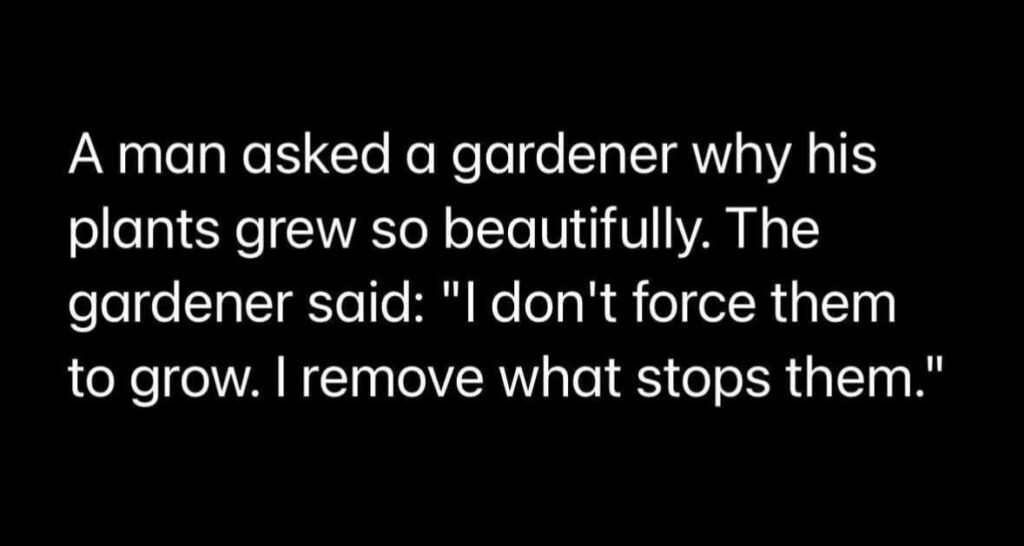
A great manager is not just a leader; they are nurturers, guides, and facilitators. Like a gardener tending to plants, the best managers focus on creating an environment where their team members can thrive. They don’t force growth but remove obstacles, provide the right resources, and foster a culture of continuous learning.

Key Traits of Great Managers
1. They Remove Obstacles
Just as a gardener pulls out weeds that hinder plant growth, great managers identify and eliminate barriers that prevent their team from performing at their best. These could be inefficient processes, unclear expectations, or a toxic work environment.


2. They Provide the Right Resources
A gardener ensures that plants receive adequate water, sunlight, and nutrients. Similarly, managers equip their teams with the tools, training, and support needed to succeed. They prioritize growth, whether through professional development opportunities or access to mentorship.


3. They Recognize Individual Strengths
Every plant has unique needs, and so does every employee. Great managers understand that a one-size-fits-all approach does not work. They recognize individual strengths and tailor their guidance to bring out the best in each team member.


4. They Foster a Culture of Growth
As gardeners encourage plants to spread their roots and grow, great managers inspire continuous learning. They promote curiosity, innovation, and skill development, ensuring their team members constantly evolve.


5. They Lead with Empathy
Plants need care and attention, and so do employees. Great managers listen, support, and create a safe space for their teams to express concerns. They understand that motivation and well-being are just as important as performance.


6. They Trust the Growth Process
Growth takes time, and managers who act like gardeners are patient. They don’t rush results but trust that their team will flourish with the right environment and support.

The Impact of a Great Manager

When managers adopt the mindset of gardeners, they cultivate a thriving workplace where employees feel valued and empowered. This leads to higher engagement, productivity, and job satisfaction. Employees are more likely to stay with an organization where they feel supported and encouraged to grow.

Like a well-tended garden, a great team doesn’t happen by chance. It requires care, patience, and dedication. The best managers understand that their role is not to force success but to create an environment where success naturally happens.

  1. They Lead by Example

Just as a gardener demonstrates patience and consistency, great managers lead with integrity and dedication. They model the behaviors they expect from their team—whether it’s hard work, continuous learning, or a positive attitude. By setting a strong example, they inspire their team to follow suit and cultivate a culture of excellence.

Conclusion

A great manager is not just a boss but a cultivator of talent. By removing obstacles, providing resources, and fostering growth, they help their teams reach their full potential. Ultimately, leadership is not about control—it’s about empowerment. Like a gardener, a manager’s most tremendous success is seeing those they nurture grow and flourish.

Just as a gardener demonstrates patience and consistency, great managers lead with integrity and dedication. They model the behaviors they expect from their team—whether it’s hard work, continuous learning, or a positive attitude. By setting a strong example, they inspire their team to follow suit and cultivate a culture of excellence.

Hot this week

Pharmacy of the World Pricing Paradox

India occupies an extraordinary position in global pharmaceuticals. It...

Why The Government Must Stop Playing Market Trader And Start Being The Sheriff

India has two very different pharmaceutical regulators living inside...

MedicinMan Pharma Pulse: August 2026

🚀 The Mega-Merger That Wasn't Early August saw the...

GLP-1: When the Molecule Becomes a Commodity, What Becomes the Moat?

STOP PRESS August 10, 2026: Regulatory Authorisation — The UK...

How To See Dr Reddy’s Nestle In The Wellness Shift

GLP-1 medicines such as semaglutide and tirzepatide are changing...

Topics

Pharmacy of the World Pricing Paradox

India occupies an extraordinary position in global pharmaceuticals. It...

Why The Government Must Stop Playing Market Trader And Start Being The Sheriff

India has two very different pharmaceutical regulators living inside...

MedicinMan Pharma Pulse: August 2026

🚀 The Mega-Merger That Wasn't Early August saw the...

GLP-1: When the Molecule Becomes a Commodity, What Becomes the Moat?

STOP PRESS August 10, 2026: Regulatory Authorisation — The UK...

How To See Dr Reddy’s Nestle In The Wellness Shift

GLP-1 medicines such as semaglutide and tirzepatide are changing...

How To Power The India Biopharma Regulatory Revolution Now

Beyond the Pharmacy of the World: Why India's Biopharma...

Will Mounjaro Disrupt Existing Therapy Areas Like Cardiology?

Something remarkable has happened in the Indian pharmaceutical market....

Can India Pivot From Low-Cost Medical Tourism to Trusted Medical Value Travel?

C-Suite Executive Summary India stands at a pivotal juncture in...
spot_img

Related Articles

spot_imgspot_img