

India occupies an extraordinary position in global pharmaceuticals. It supplies around 20 per cent of the world’s generic medicines by volume and is one of the world’s largest vaccine manufacturers. Government data published in 2026 says India supplies approximately 20 per cent of global generic medicines and 55–60 per cent of UNICEF’s vaccines. India also ranks third globally in pharmaceutical production by volume.
Yet India’s domestic pharmaceutical architecture contains an important paradox.
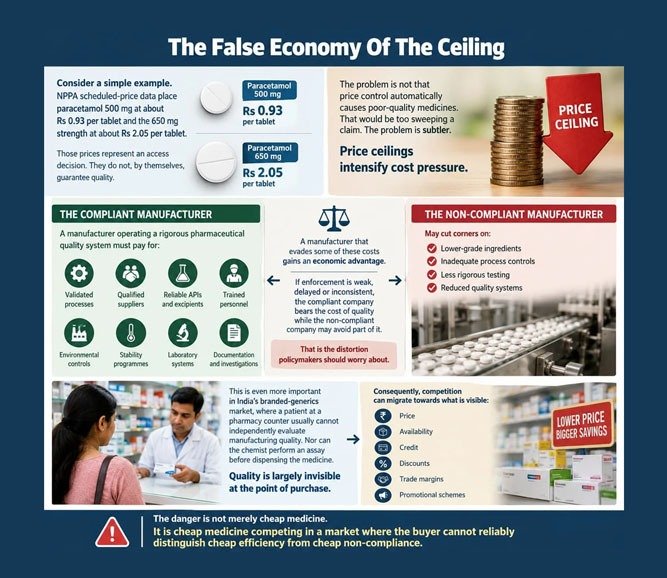
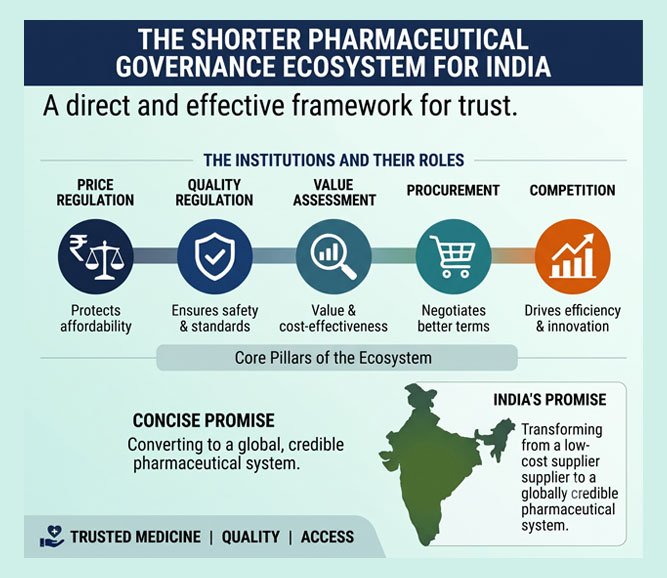
The country has built a globally significant export industry serving highly regulated markets while its domestic system simultaneously combines direct price regulation, fragmented public purchasing and a drug-quality regulatory structure divided between the Central Drugs Standard Control Organisation and State Licensing Authorities.