



Abstract
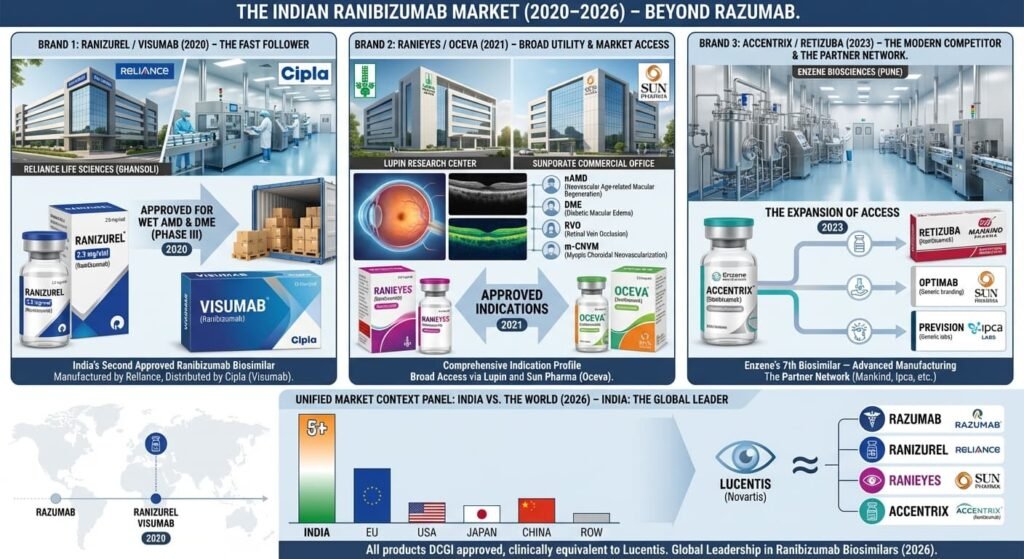
When Intas Pharmaceuticals launched Razumab in June 2015 as the world's first biosimilar of ranibizumab, it promised to transform retinal disease treatment in India through affordability. A decade later, the anti-VEGF market has been fundamentally altered, with multiple biosimilars challenging multinational innovator dominance. This article examines Razumab's trajectory through three phases: regulatory navigation, clinical validation under scrutiny, and market maturation. It analyzes the clinical evidence that established biosimilar equivalence, critically evaluates early safety concerns that tested the product's viability, and assesses the evolving regulatory landscape that will shape the next generation of Indian biosimilars.