


For years, Novo Nordisk was the poster child of growth. Its GLP-1 drugs, Ozempic and Wegovy, didn’t just change obesity treatment — they reshaped the company’s balance sheet. Demand outpaced supply, public awareness skyrocketed, and Novo’s market cap surged.
But growth always attracts challengers. Enter Eli Lilly with Mounjaro and Zepbound, and a wave of competitors and compounded generics threatening margins. Add in slowing sales growth and operational bloat from years of expansion, and suddenly Novo’s leadership had to answer tough questions about sustainability.
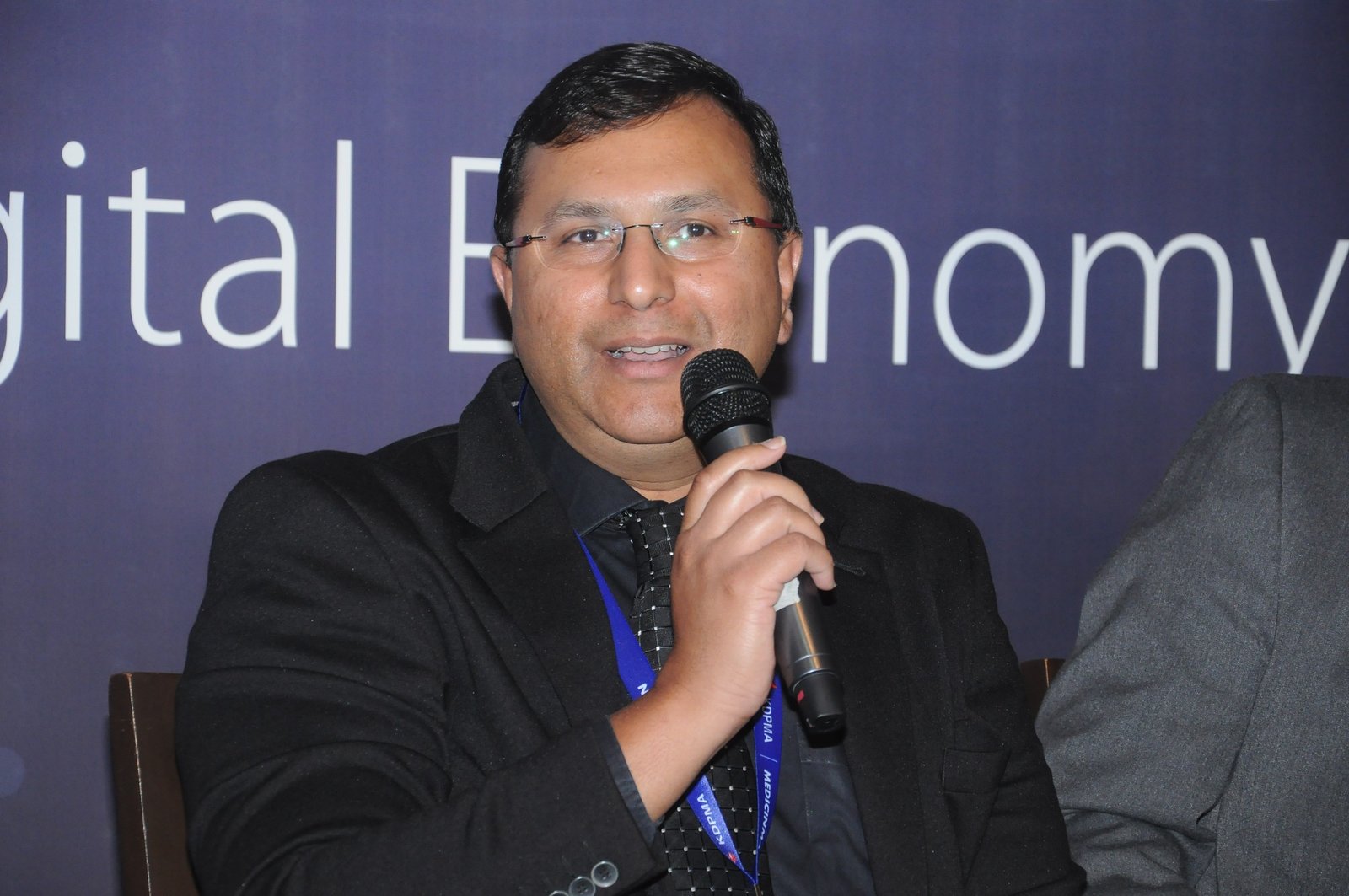
An interview with Salil Kallianpur - Executive VP at GSK Primary Care on the state of digital in pharma marketing and pointers for digital marketing success.
Is Pharma’s business model like McDonald’s? Doing things over & over again without innovation?
McDonald’s is famous for its Hamburger University, a training facility at the McDonald’s Corporation global headquarters in Chicago, Illinois. It instructs high-potential restaurant managers in restaurant management.
More than 5,000 students attend Hamburger University each year and over 275,000 people have graduated with a degree in Hamburgerology.
Sound familiar? Pharma’s training has been on similar lines – hire people continuously and put them through the grind of mugging up essentials of drugs for diseases that the particular company sells.
While the McDonald’s model is ideal for its business of replication, it has outlived its utility in healthcare and drug companies are in danger of being reduced to mere suppliers of drugs to new digital platform businesses unless they learn to innovate.