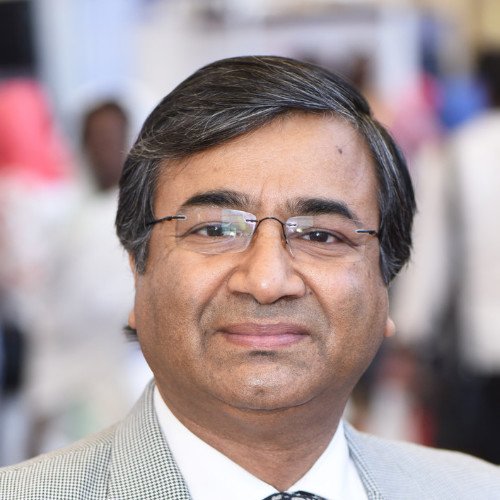



GST Special Issue carrying an interview with Sunil Attavar - CMD, Group Pharma and President, Karnataka Drugs and Pharmaceuticals Manufacturers Association (KDPMA)
One interesting fact: most medical colleges and linked public hospitals in major cities were designed in the British era, with an open ward design. A medical administrator, tongue-in-cheek, put it succinctly: “When these hospitals were designed, nobody would have imagined that doctors will face violence”.
Time for design thinking in public healthcare delivery!
There was a phase when the industry feared that digital would eventually replace the medical sales representative but it appears that digital engagements work best when facilitated by an affable and knowledgeable person, who can personalize the information, and the conversation, to the doctor. In pharma, there’s no substituting face-to-face dialogue it seems. And why should it?
“Rather than digital replacing a person in pharma, the need of the hour is digitalizing the approach of person. The person and the technology are HERE TO STAY”, says Archis Joshi, Commercial Head at Dr. Reddy’s.
The sales role is getting tougher. Medical information, at one point pharma’s greatest value, is today much more freely available than it used to be. In the Indian market which is dominated by generic medicines lacking differentiation, simply informing doctors about the product, isn’t a viable prospect any more when it comes to piquing their interest.
“Why are brands that have been around for some time still unable to cross the marketing funnel and are still stuck at either the ‘awareness’ or the ‘interest’ stages, and unable to move towards the ‘purchase’ or ‘recommendation’ stages?” wonders Mehul Shukla, Director, Marketing Excellence at Cipla.