IPM was valued at Rs. 178,219 Cr for MAT Oct’21. The retail sector was valued at Rs. 151,183 Cr for this period contributing 85% to IPM.
IPM Growth for the month of Oct’21 as compared to the month of Oct’20 was 9.7%. This is the lowest monthly growth in the last 8 months after a low growth of 2.6% reported for Feb’21.
Corresponding to low monthly growth, IPM MAT growth also declined slightly after showing a growing trend consistently for the last 7 months from MAT Feb’21. It reported 17.3% for MAT Oct’21 as compared to 17.8% reported for MAT Sept’21.
At 15657.3 Cr, the monthly sale reported for Oct’21 is the 5th highest sale value in the last 12 months.
Lower prices, discounts, convenience of ordering and home delivery are some of the benefits for consumers with e-pharmacies. The anonymity of the internet encourages patients to seek information about medicines that they would otherwise avoid. Mental health is one area where the consumers wish to maintain confidentiality and opt for online consultation and medication.
We will need to find a way to bring together the capabilities of the Medical Rep, the changed scenario of the visit and the ways we can reach doctors into one single strategy rather than looking at the physical and the digital parts separately. Our medical reps will continue to be the core of our promotion, and our digital strategy will need to empower them to not only do a better call but also support their efforts by building processes that will help them beyond the few minutes that they spend in the Clinic. Marketing budgets will have to move away from conventional investments and also think beyond hardware to increase digital engagement.
HomeField Force Excellence conference+CEO Roundtable
Field Force Excellence conference+CEO Roundtable
[metaslider id=2309]
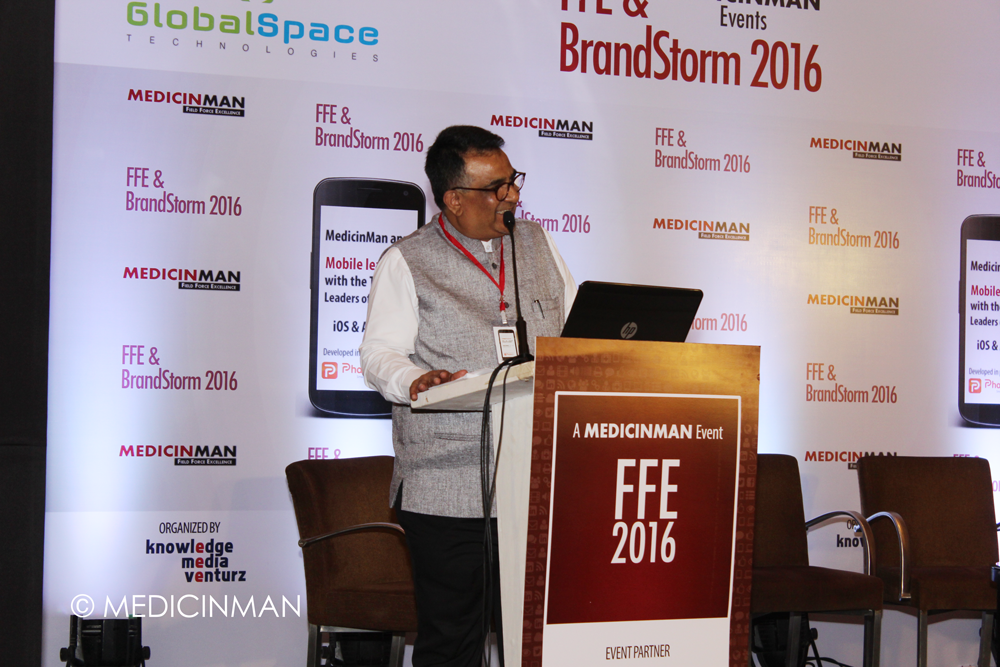
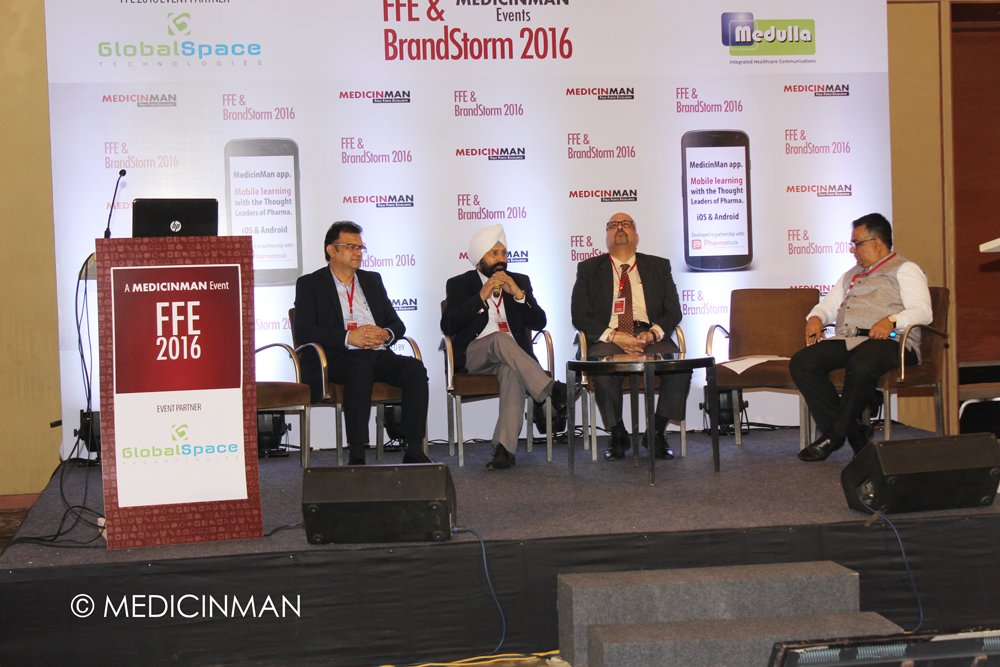
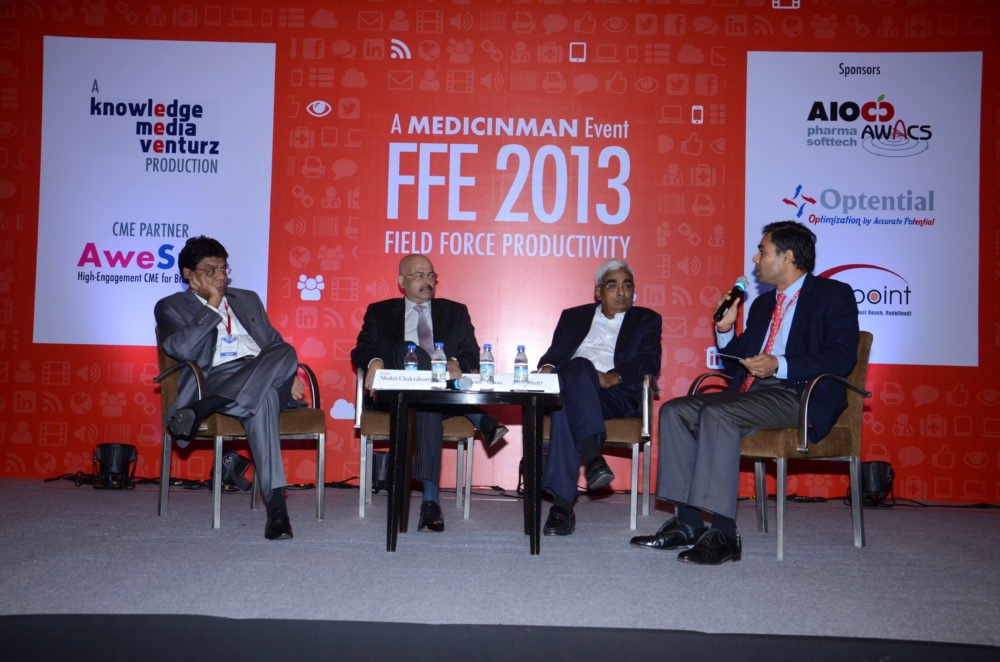
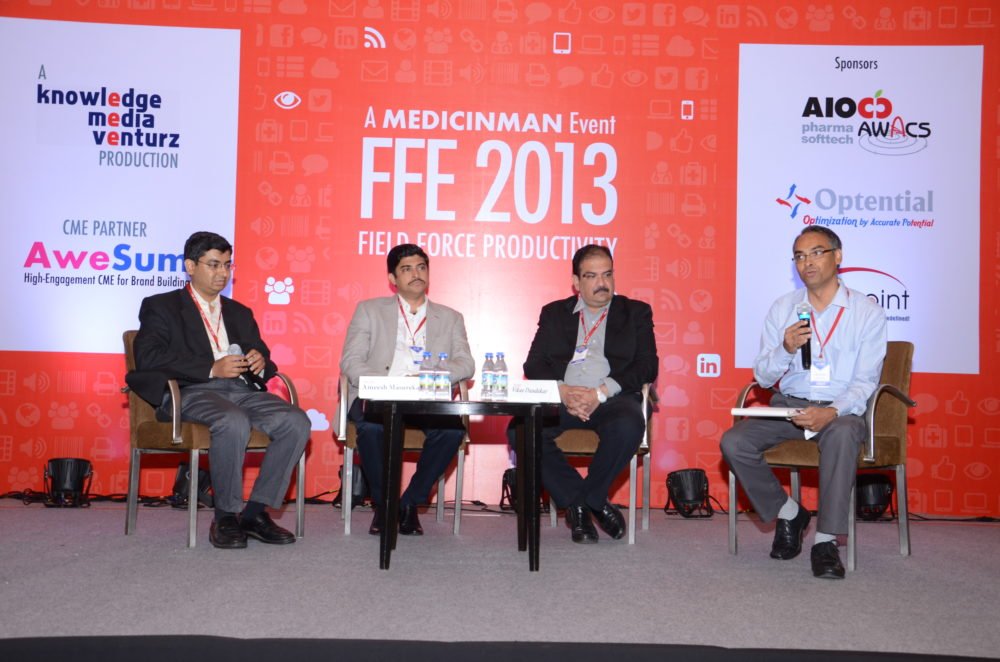
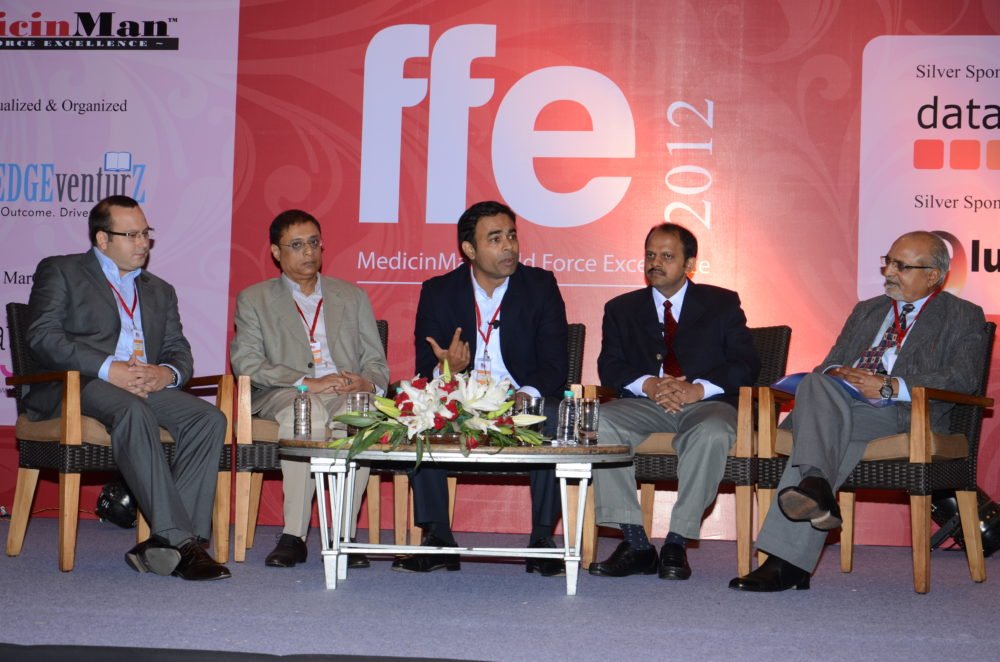
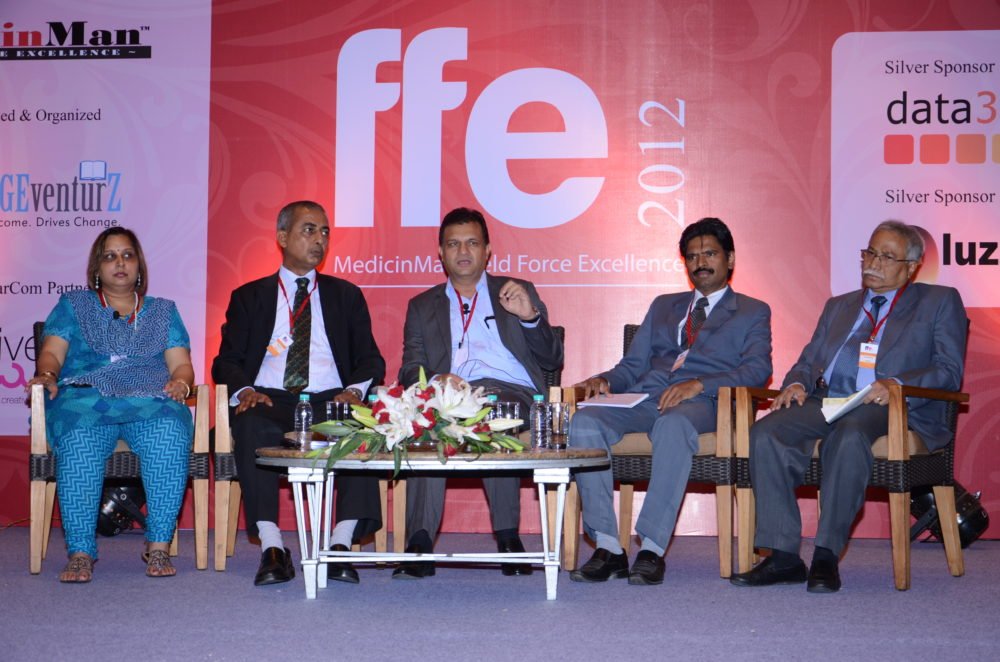
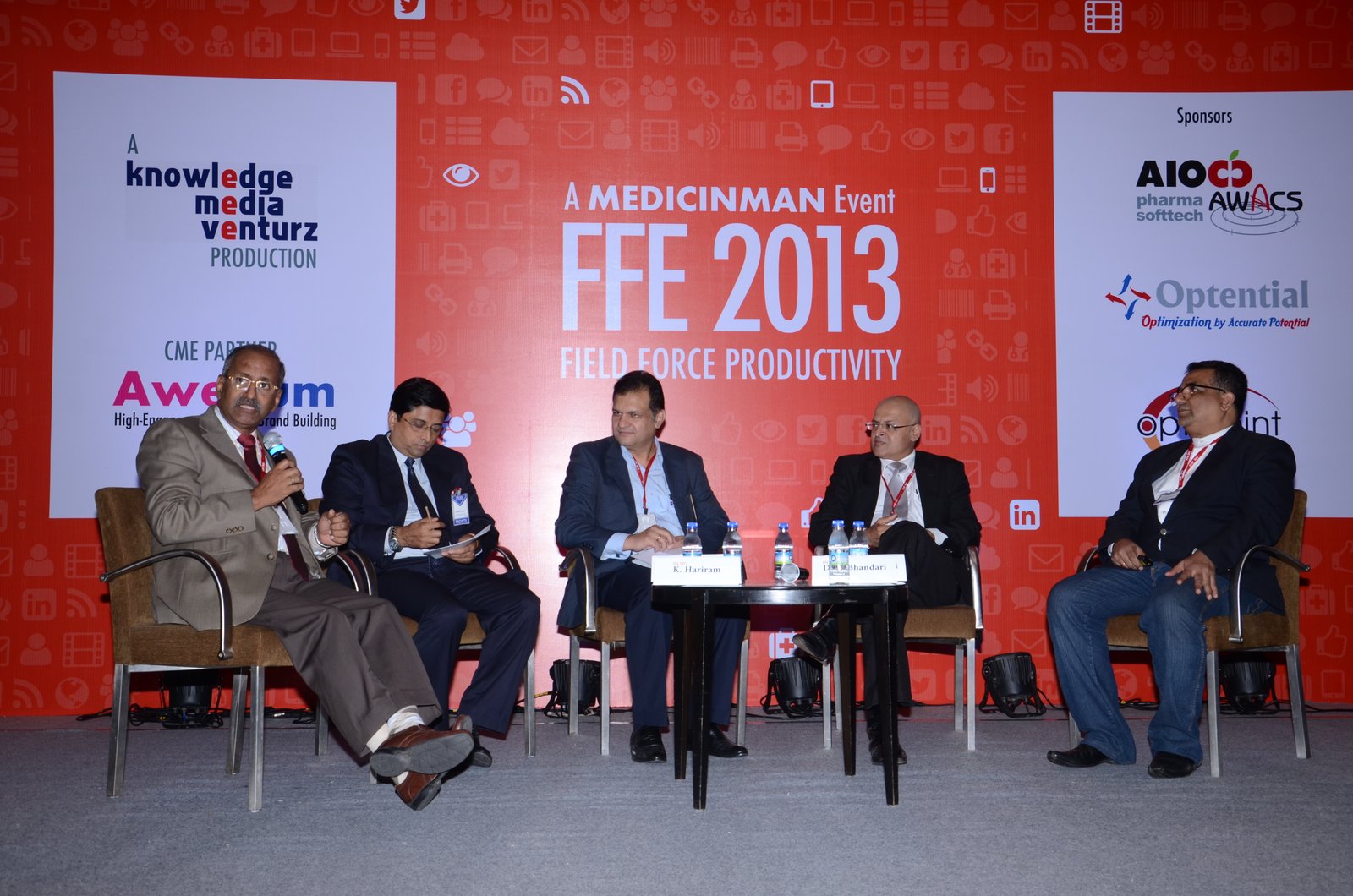
Field Force Excellence (FFE)+CEO Roundtable is MedicinMan’s flagship Field Force Excellence conference bringing together industry thought leaders and senior managers to set the annual agenda for Field Force Excellence in the industry.
Past topics include:
Practical Issues in Sales Force Effectiveness (SFE) implementation
Role Clarity from Front-line Manager to National Sales Manager
Role of Technology as a Field Force Multiplier
Social Learning for the Field Force
Data Analytics: Actionable Insights for Segmented Marketing
Role of Marketing, Medical, HR and L&D in Building the Rx Capabilities of the Field Force
Navigating UCPMP, MCI Guidelines and other regulatory issues
Reinvention of Doctor-Field Force interaction through Digital and Social
Business Intelligence for Field Force Productivity
Employee Engagement: The New Paradigm for Enhancing Field Force Productivity
Past CEO Roundtable participants include:
K. Hariram– Managing Director, (retd.), Galderma India
Sanjiv Navangul – Managing Director, Janssen India
K. Shivkumar – Managing Director, Eisai Pharmaceuticals