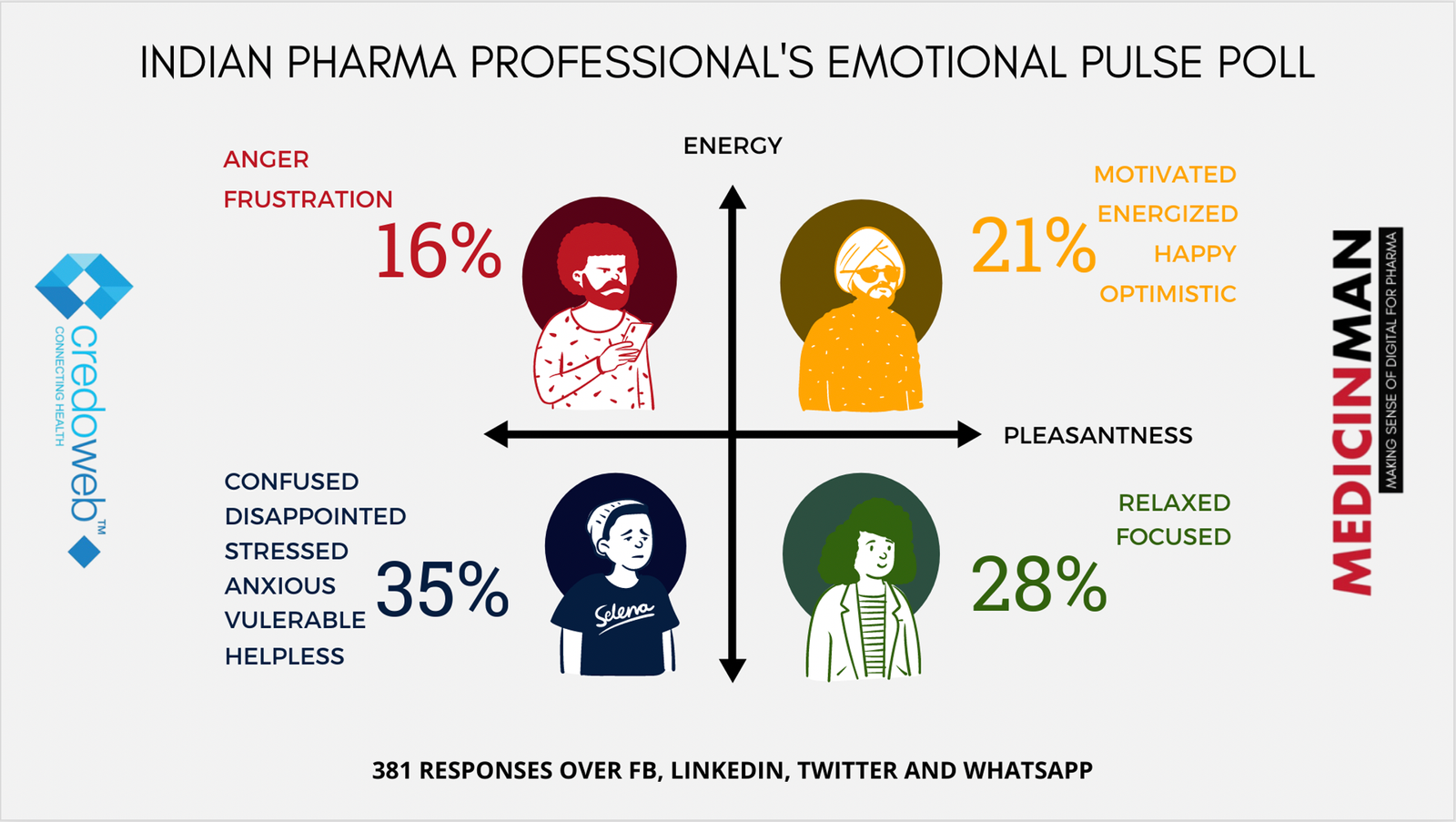
Pharmaceutical & medical devices Industry is fast adapting to these changes at various levels of the value chain. Billions of dollars are being spent on digital transformation projects ranging from usage of AI & ML in product development, production and predictive maintenance, Blockchain in supply chain and data management & analytics in strategic decision making.
This article focuses on Omnichannel marketing, one of the key digital transformations that the industry is learning and implementing at a rapid pace.
Omnichannel Marketing: Promise and Possibilities
An industry that historically focused all their brand building and market shaping efforts through F2F meetings & medical education programs has started making giant strides in multi-channel strategy now.
A digital journey that started with an e-detailing platform has progressed fast by adding brand websites, Approved E-Mails, social media, webinars and other media effectively creating a multi-channel strategy. The only hindside to this is, all these channels work independently, expecting HCPs to find and sort out information themselves.
In our rapidly changing world, adaptability is essential. The strategies and decisions that yielded results yesterday might not be as effective today. By actively engaging with and updating our mental models, we position ourselves to adapt swiftly to evolving circumstances. This ensures our decisions remain timely and anchored in the present.
There was a phase when the industry feared that digital would eventually replace the medical sales representative but it appears that digital engagements work best when facilitated by an affable and knowledgeable person, who can personalize the information, and the conversation, to the doctor. In pharma, there’s no substituting face-to-face dialogue it seems. And why should it?
“Rather than digital replacing a person in pharma, the need of the hour is digitalizing the approach of person. The person and the technology are HERE TO STAY”, says Archis Joshi, Commercial Head at Dr. Reddy’s.
The sales role is getting tougher. Medical information, at one point pharma’s greatest value, is today much more freely available than it used to be. In the Indian market which is dominated by generic medicines lacking differentiation, simply informing doctors about the product, isn’t a viable prospect any more when it comes to piquing their interest.
“Why are brands that have been around for some time still unable to cross the marketing funnel and are still stuck at either the ‘awareness’ or the ‘interest’ stages, and unable to move towards the ‘purchase’ or ‘recommendation’ stages?” wonders Mehul Shukla, Director, Marketing Excellence at Cipla.
Pharmaceutical & medical devices Industry is fast adapting to these changes at various levels of the value chain. Billions of dollars are being spent on digital transformation projects ranging from usage of AI & ML in product development, production and predictive maintenance, Blockchain in supply chain and data management & analytics in strategic decision making.
This article focuses on Omnichannel marketing, one of the key digital transformations that the industry is learning and implementing at a rapid pace.
Omnichannel Marketing: Promise and Possibilities
An industry that historically focused all their brand building and market shaping efforts through F2F meetings & medical education programs has started making giant strides in multi-channel strategy now.
A digital journey that started with an e-detailing platform has progressed fast by adding brand websites, Approved E-Mails, social media, webinars and other media effectively creating a multi-channel strategy. The only hindside to this is, all these channels work independently, expecting HCPs to find and sort out information themselves.