

Executive Summary
The Indian Pharmaceutical Market (IPM) sustained its growth trajectory in early 2026, recording 11.0% year-on-year (YoY) growth in February 2026, with monthly sales reaching ₹20,836 crore. The Moving Annual Total (MAT) stood at ₹2,44,277 crore, reflecting 8.4% annual growth.
Growth remained broad-based across all three levers—price (+5.3%), new product introductions (+3.5%), and volume (+2.2%)—with a notable improvement in volume growth indicating gradual recovery in prescription demand.
The market continues to structurally shift toward chronic care. Chronic and sub-chronic therapies now account for 56% of IPM value, up from 53% in 2022, reflecting the rising burden of non-communicable diseases (NCDs).
Within this broader transition, GLP-1 receptor agonists are emerging as a significant new growth driver, with expanding clinical adoption and an evolving competitive landscape.

Part I: Market Overview and Therapy Dynamics
1.1 Overall Market Performance (February 2026)
| Metric | Value | Growth (YoY) |
|---|---|---|
| Monthly Sales | ₹20,836 Cr | +11.0% |
| MAT Sales | ₹2,44,277 Cr | +8.4% |
| Price Growth | — | +5.3% |
| New Product Growth | — | +3.5% |
| Volume Growth | — | +2.2% |
Source: Pharmarack Technologies, March 2026
Note: Growth rates refer to February YoY unless specified
1.2 Segment Shift: Acute to Chronic
| Segment | Share (MAT Feb’26) | Share (MAT Feb’22) | Characteristics |
|---|---|---|---|
| Acute | 44% | 47% | Volume-driven, seasonal |
| Chronic | 35% | 31% | Value-driven, long-term |
| Sub-chronic | 21% | 22% | Mixed dynamics |
Chronic therapies continue to outpace acute segments, supported by rising incidence of diabetes, cardiovascular disease, and other lifestyle-related conditions.
1.3 Therapy-Level Performance
| Therapy | MAT Value (₹ Cr) | Growth (YoY) | Key Drivers |
|---|---|---|---|
| Cardiac | 33,907 | +10.9% | Large base, volume expansion |
| Anti-Diabetic | 22,829 | +15.5% | New therapies, GLP-1 uptake |
| Gastrointestinal | 28,815 | +8.7% | Stable demand |
| Respiratory | 19,155 | +7.0% | Pollution-linked |
| Anti-Neoplastics | 5,778 | +12.9% | Biosimilars, access expansion |
| Urology | 4,393 | +14.5% | Ageing population |
| Vaccines | — | +24.4% (Jan’26) | Strong unit expansion |
Sources: IQVIA, Pharmarack
1.4 Growth Quality
- Vaccines led value growth (24.4%) and unit expansion (32.3%) in January 2026
- Select therapy groups (GI, vitamins, pain) showed unit softness, indicating selective demand pressure
- Overall growth remains value-led but gradually normalizing toward volume contribution

Part II: GLP-1 Therapies — A Structural Inflection Point
2.1 Market Scale and Momentum
The GLP-1 receptor agonist segment has rapidly scaled into a meaningful specialty category within the IPM. The combined market for semaglutide and tirzepatide is estimated at over ₹1,500 crore as of February 2026, with strong year-on-year expansion.
| Molecule | Market Share (Volume) | Market Share (Value) |
|---|---|---|
| Tirzepatide | ~79% | ~85% |
| Semaglutide | ~21% | ~15% |
Source: PharmaTrac (Feb 2026 estimates)
Certain brands within this category have demonstrated exceptionally rapid scale-up, positioning them among the fastest-growing therapies in recent IPM history.
2.2 Competitive Dynamics
Recent pricing and access strategies have accelerated semaglutide adoption:
- Price adjustments improved affordability
- Expanded partnerships enhanced distribution reach
- Increased physician familiarity supported onboarding
This has translated into incremental patient additions, particularly in urban and specialist-led markets.
2.3 Patent Expiry and Market Expansion
The expiry of semaglutide patents in India (March 2026) is expected to reshape the competitive landscape.
- 40+ companies preparing entry
- 50+ brands anticipated over the next 12–18 months
- Increased participation from domestic manufacturers
Pricing Outlook:
Industry expectations suggest that monthly therapy costs could decline to the ₹3,000–5,000 range, subject to competitive intensity and regulatory dynamics.
2.4 Patient Access and Adoption Potential
| Parameter | Estimate |
|---|---|
| Current GLP-1 users (injectables) | ~300,000 |
| Including oral formulations | ~500,000 |
| Diabetes population (India) | ~200 million |
While only a small fraction of patients are currently treated, a broader subset of individuals with obesity and uncontrolled diabetes may become eligible over time, contingent on affordability, physician adoption, and long-term adherence.
2.5 Regional Adoption Trends
| Region | Key Trend |
|---|---|
| West | Largest share (~38.5%), led by Maharashtra |
| South | Higher semaglutide uptake |
| North | Strong tirzepatide adoption |
| East | Underpenetrated, growth potential |
2.6 Risks and Adoption Constraints
Despite strong momentum, several factors may moderate adoption:
- Adherence challenges: Gastrointestinal side effects and discontinuation rates
- Affordability: Even post-generic pricing may remain high for long-term therapy
- Supply constraints: Global demand pressures affecting availability
- Physician adoption curve: Gradual expansion beyond specialists
- Lifestyle factors: Diet, alcohol consumption, and compliance influencing outcomes
These factors suggest that market expansion will likely be progressive rather than exponential.
Part III: Corporate Landscape
3.1 Therapy Leadership
| Therapy | Leading Companies |
|---|---|
| Cardiac | Torrent, Sun Pharma, Lupin |
| Anti-Diabetic | Abbott, USV, Sun Pharma |
| Respiratory | Cipla, Lupin, Glenmark |
| Anti-Infectives | Alkem, Macleods |
| Gastrointestinal | Sun Pharma, Abbott |
3.2 Strategic Priorities
Companies are balancing:
- Chronic portfolio expansion
- Lifecycle management of legacy brands
- Partnerships and licensing
- Leveraging off-patent opportunities
Acute therapies remain relevant, contributing 44% of total IPM value, particularly in seasonal cycles.
Part IV: Geographic Trends
4.1 Zonal Performance (MAT)
| Zone | Share | Growth |
|---|---|---|
| North | 27.3% | 9.1% |
| South | 26.4% | 9.8% |
| East | 24.5% | 9.3% |
| West | 21.7% | 11.2% |
4.2 Metro Growth
- Top 30 metros grew 12.3%, outperforming MAT growth (~9–10%)
- Mumbai, Hyderabad, Bangalore among leading growth markets
Part V: Outlook for 2026
5.1 Growth Expectations
Pharmarack projects 7.8–8.1% IPM growth for 2026, with:
| Therapy | Growth Outlook |
|---|---|
| Cardiac | 11–12% |
| Anti-Diabetic | 10–11% |
| GLP-1 | 60–70% (high-growth base effect) |
| Oncology | 12–13% |
| GI / Anti-infectives | 4–7% |
5.2 Key Themes
- Shift toward volume-led growth
- Expansion of chronic therapies
- Increased access through generics
- Gradual channel diversification (still largely physician-led)
Conclusion
The Indian pharmaceutical market continues to demonstrate structural resilience, supported by chronic disease prevalence and steady demand expansion.
GLP-1 therapies represent a high-impact emerging segment, with the potential to expand treatment paradigms in diabetes and obesity. However, adoption will likely depend on affordability, adherence, and clinical positioning, rather than price alone.
As the market evolves, companies that align portfolios with chronic care trends, leverage post-patent opportunities, and execute effectively across channels will be best positioned to capture growth.
Appendix: Sources and Data Validation
| # | Source | Date | Contribution |
|---|---|---|---|
| 1 | Pharmarack Technologies | Mar 2026 | IPM growth, segment share, projections |
| 2 | IQVIA India | 2026 | Therapy-level MAT data |
| 3 | PharmaTrac | Feb 2026 | GLP-1 market size, share estimates |
| 4 | BioSpectrum India | Feb–Mar 2026 | Therapy trends, vaccine growth |
| 5 | The Economic Times | Mar 2026 | Pricing, competitive dynamics |
| 6 | Business Standard | Feb 2026 | Generic semaglutide developments |
| 7 | ET Pharma | Jan 2026 | Clinical insights, patient estimates |
| 8 | Company disclosures (Dr. Reddy’s, Zydus, Eris, etc.) | 2026 | Pipeline and launch preparedness |
| 9 | HDFC Sky / Industry reports | Jan 2026 | Market trend context |
| 10 | Secondary global commentary (Oman Observer, etc.) | Mar 2026 | Pricing and access narratives |

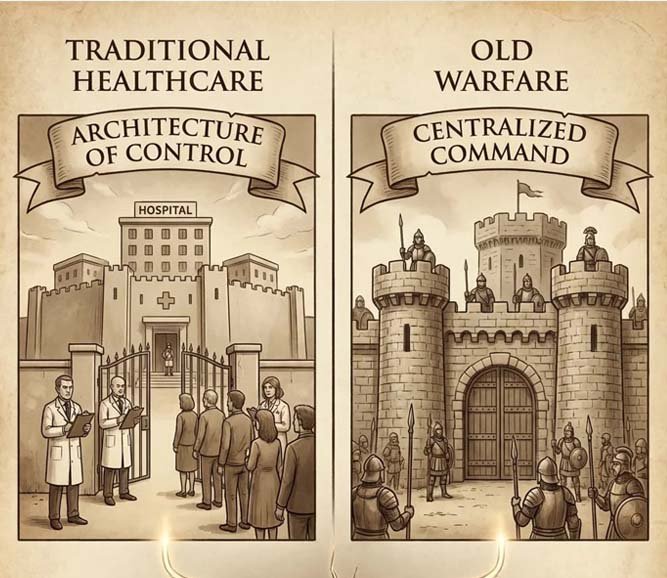
All Images are AI Generated for Illustration Only. E&OE