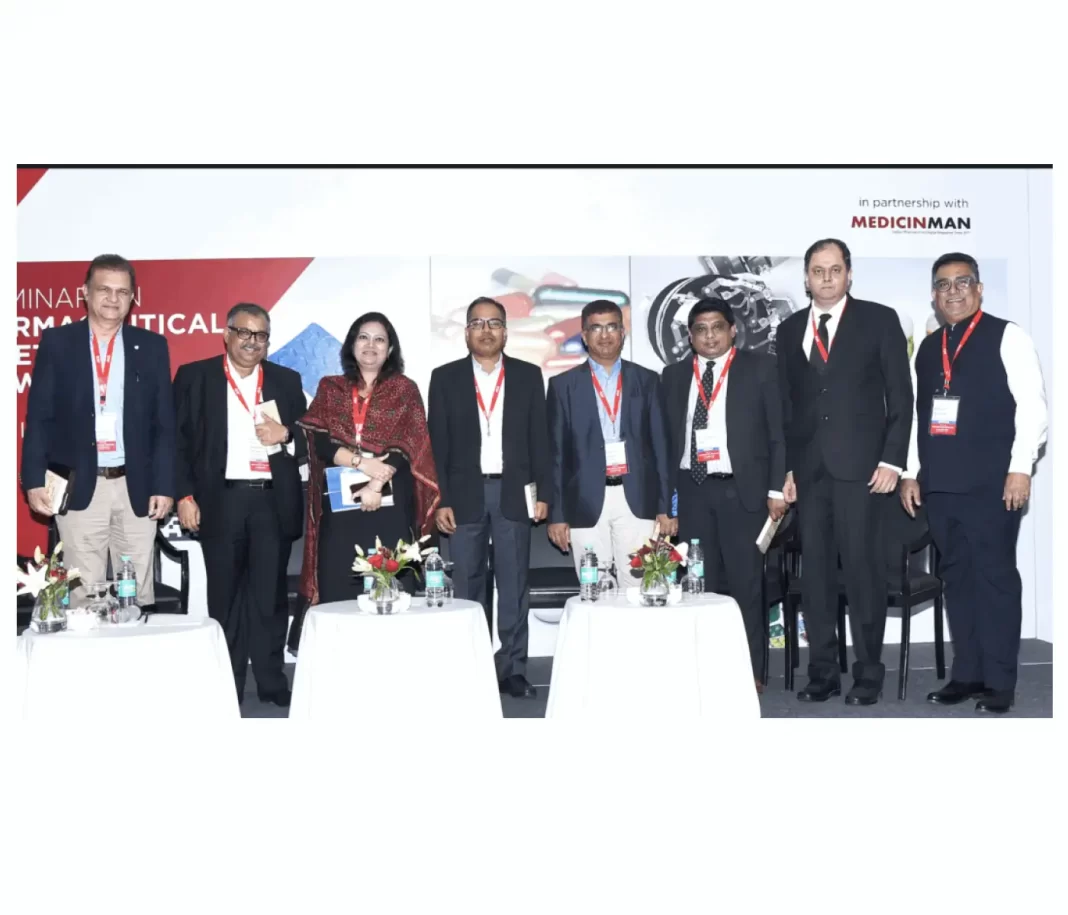



By MedicinMan Editorial Desk

When Memory Fades, Humanity Must Not
In the quiet lanes of Tughlakabad Extension, Delhi, a small center is doing what few hospitals or policies have managed — restoring dignity to those losing grip on memory, time, and sometimes, self.
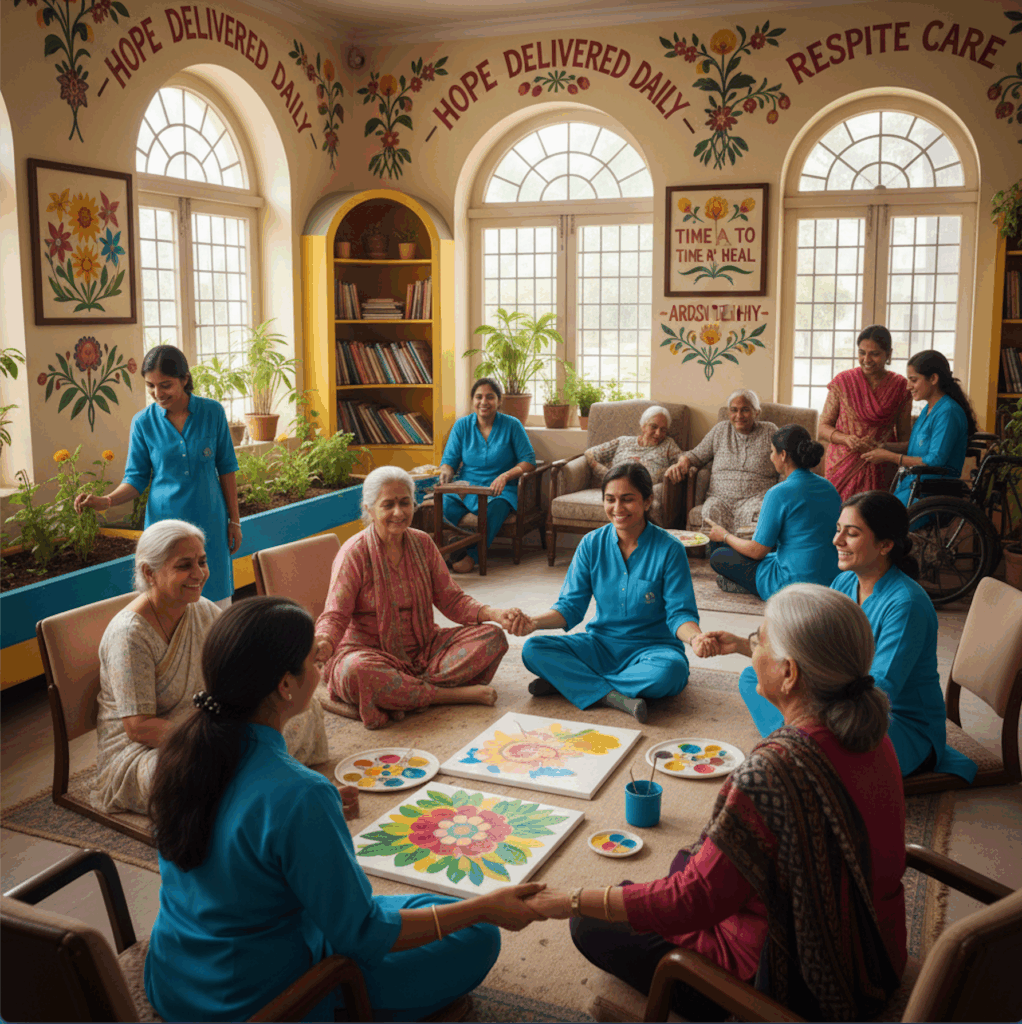
At the ARDSI (Alzheimer’s and Related Disorders Society of India) Delhi Chapter, patients with Alzheimer’s and other dementias arrive each morning to laughter, structured routines, and trained caregivers who know that care is as much about patience as it is about medicine.
There’s music, yoga, conversation, and play. There’s also respite — for families who spend every waking moment watching someone they love slip away in fragments.
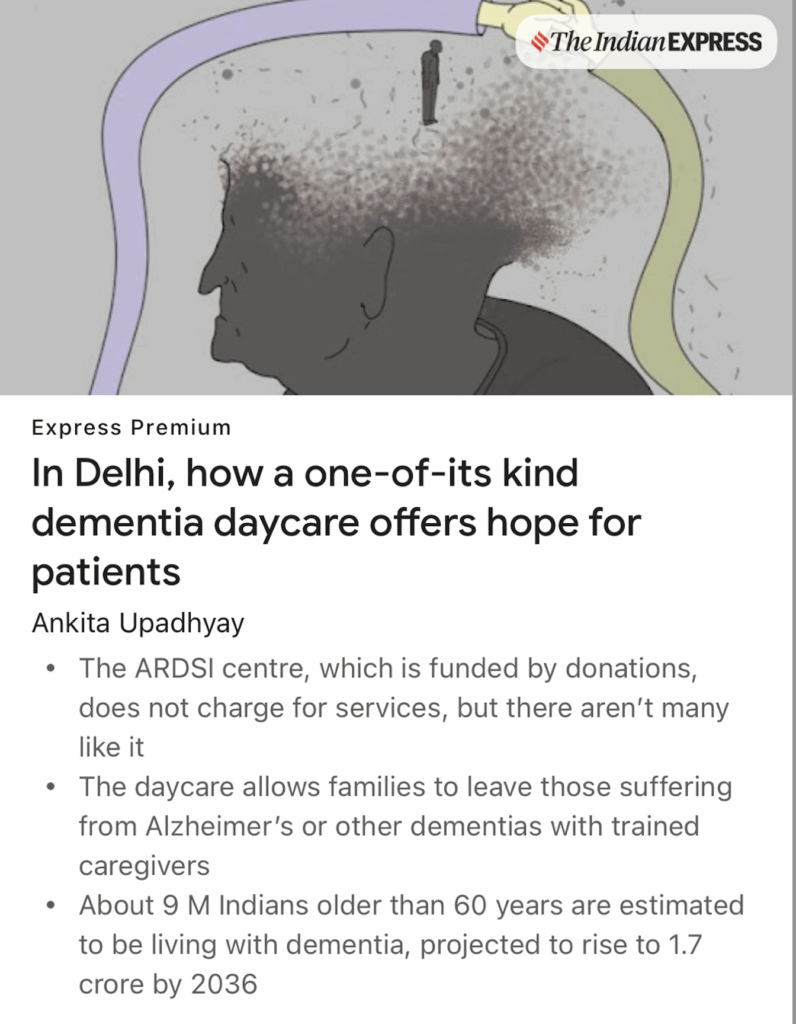
How a Delhi Dementia Daycare Is Reimagining Care for India’s Forgotten Millions
The Scale of the Challenge
India is standing on the brink of a cognitive health crisis few are prepared for.
• 8.8 million Indians aged 60+ live with dementia today.
• That number is projected to double to 1.7 crore by 2036 (source: Alzheimer’s Disease International).
• Nearly 90% of these patients are cared for at home by family members — mostly women — with little to no training.
• The economic burden is silent yet staggering, driven by caregiver burnout, lost productivity, and emotional toll.
Despite these numbers, India has fewer than 10 dedicated dementia day-care centers across the country — most concentrated in major metros, almost all run by NGOs.
The ARDSI Delhi Model: Hope as a Service
What makes the ARDSI Delhi centre remarkable isn’t just what it does, but what it doesn’t do — it doesn’t charge.
Funded entirely by donations, it offers free daycare, meals, and engagement activities for dementia patients.
Families drop off their loved ones in the morning and pick them up by evening, confident that they’re being cared for by trained hands.
It’s not medicalized care — it’s humanized care.
Each activity, from reminiscing sessions to gentle physical movement, is designed to stimulate memory, routine, and belonging.
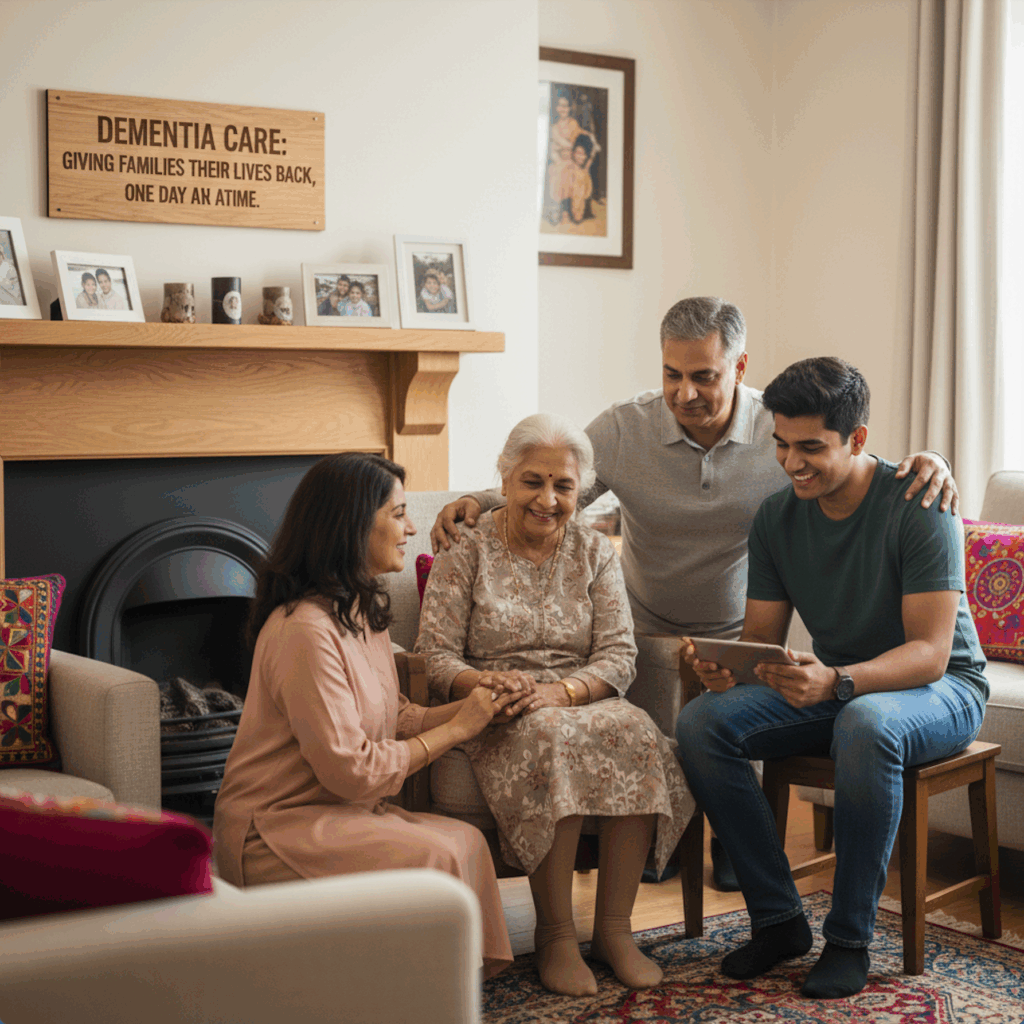
“Dementia care isn’t just about memory — it’s about giving families their lives back, one day at a time.”
Caregivers Need Care Too
Behind every dementia patient is a family quietly unraveling.
Caregivers — often spouses or adult children — face isolation, anxiety, and deep exhaustion.
Daycare centers like ARDSI Delhi offer them what’s most precious: time to breathe.
Time to work, rest, and heal. In public health terms, this is respite care — but in human terms, it’s recovery.
“India doesn’t need more hospitals for dementia — it needs more hope, delivered daily.”
Scaling What Works
The Delhi model offers a blueprint that can be replicated nationwide through public-private partnerships and CSR investment.
Here’s what a scalable ecosystem could look like:
- Funding:
• Encourage CSR grants and government-NGO co-funding models under the National Programme for Health Care of the Elderly (NPHCE).
• Tax incentives for organizations supporting dementia daycare initiatives. - Workforce:
• Introduce short-term certification programs in dementia caregiving, integrating them into nursing and social work curricula. - Policy Integration:
• Recognize dementia as a public health priority, not a private family burden.
• Mandate at least one dementia daycare per district under geriatric health missions.
“Every district needs one center like this — not as charity, but as infrastructure.”
The Way Forward
India’s dementia story isn’t just about the aging brain — it’s about the resilience of families and the innovation of communities.
If health systems are about outcomes, then dementia daycares like ARDSI Delhi are about outcomes that matter — comfort, continuity, and care that transcends diagnosis.
The future of dementia care in India will not be written in ICUs or hospital corridors.
It will be written in small centers like this one — where humanity still remembers what medicine sometimes forgets.

Appendix: Verified Sources
1. The Indian Express — “In Delhi, how a one-of-its-kind dementia daycare offers hope for patients” (Ankita Upadhyay, Oct 2024)
2. Alzheimer’s and Related Disorders Society of India (ARDSI) official website — Delhi Chapter overview
3. Alzheimer’s Disease International (World Alzheimer Report 2023)
4. WHO India — Dementia Fact Sheet (2024)
5. National Programme for Health Care of the Elderly (NPHCE), Ministry of Health & Family Welfare